signalling
East Coast Main Line closes south of Peterborough for digital signalling and track work
Network Rail will shut the East Coast Main Line between Peterborough, Letchworth Garden City and London on 28 and 29 November for in-cab signalling updates, track renewals and overhead line work.
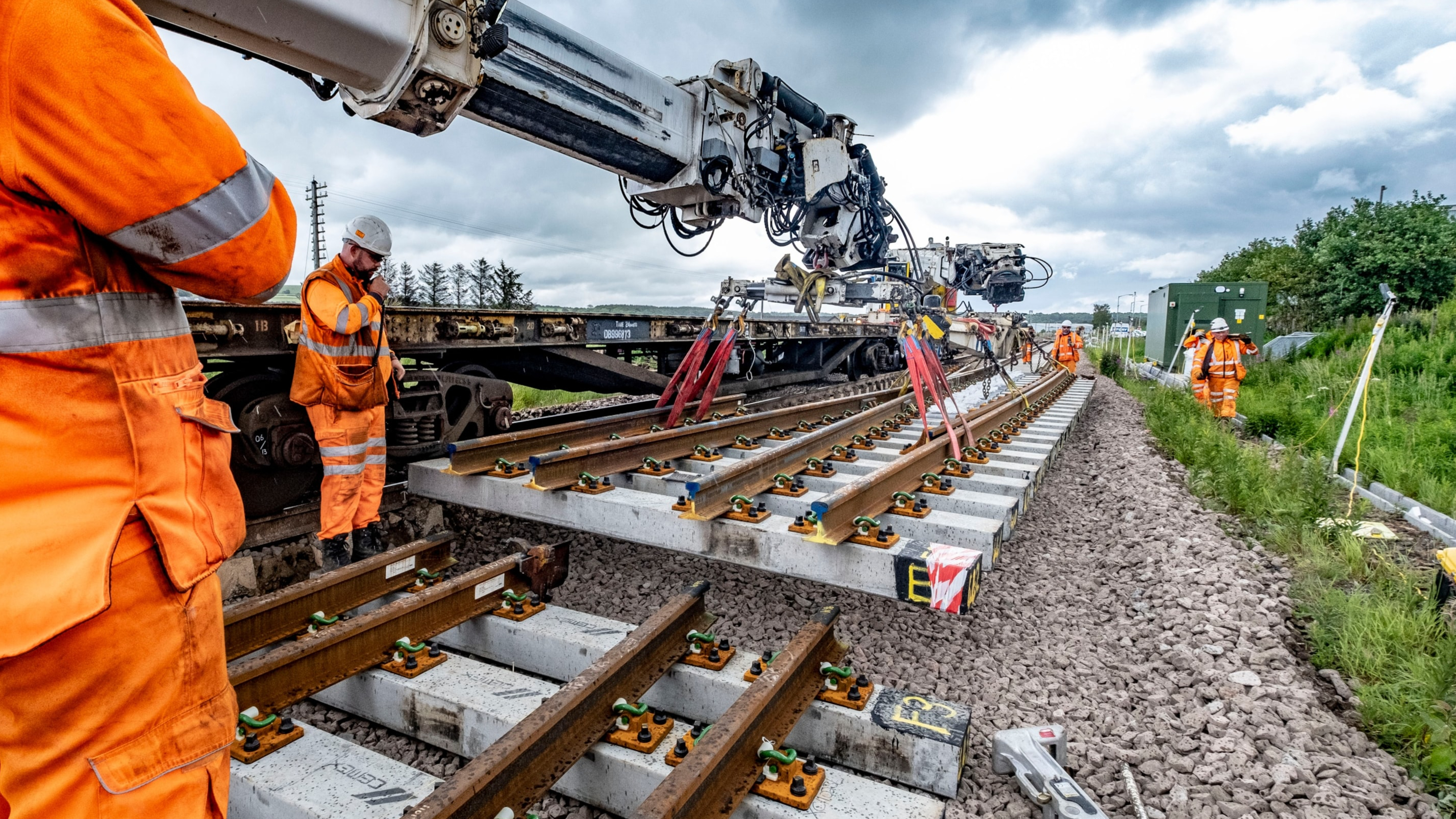
Network Rail will close the East Coast Main Line between Peterborough or Letchworth Garden City and London on Saturday 28 and Sunday 29 November 2026 for digital signalling upgrades, track renewals and overhead line work.
No trains will run on the affected section all weekend, Network Rail said, with rail replacement buses and coaches covering many journeys.
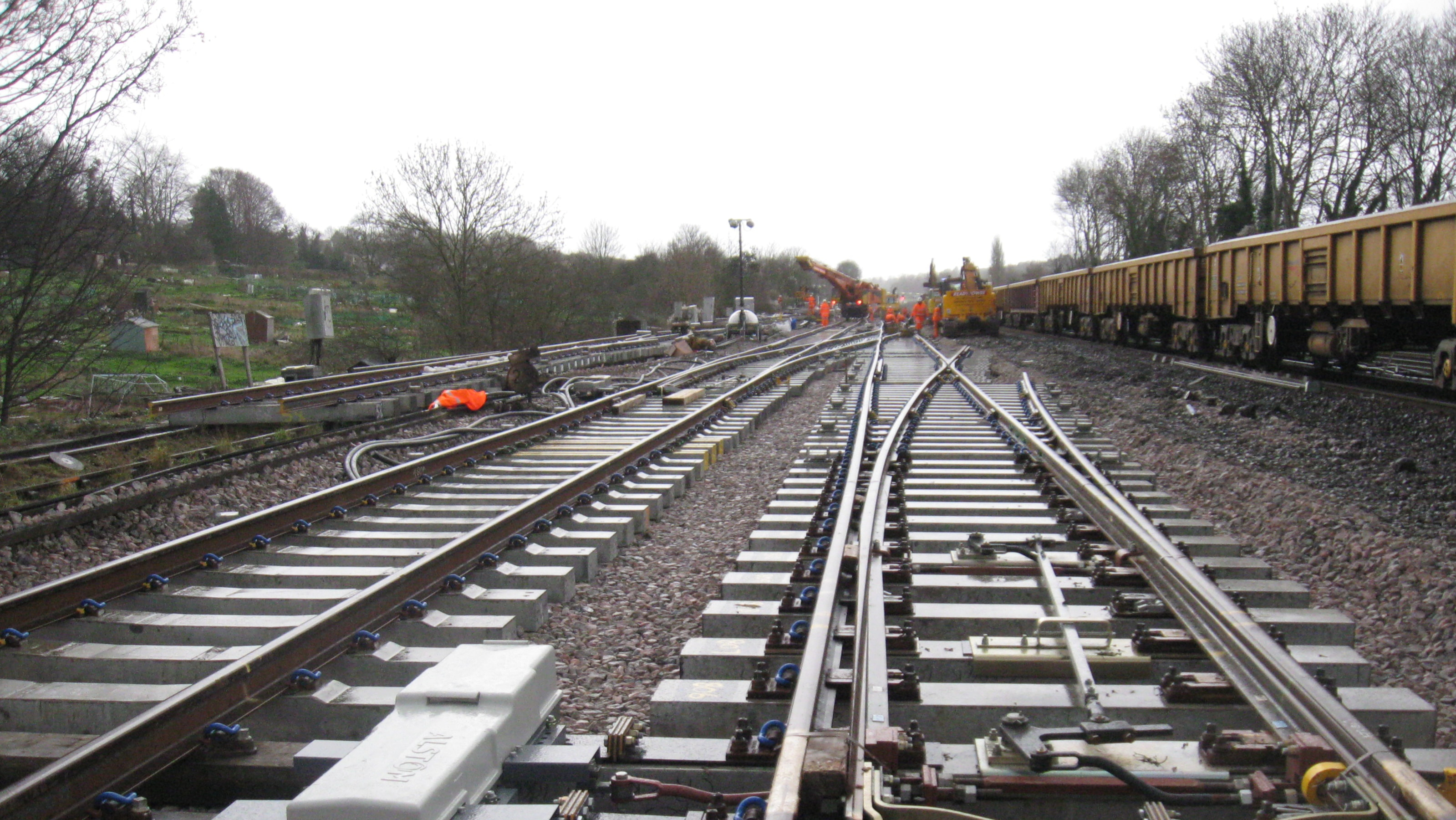
Engineers will use the closure to carry out further upgrades to digital signalling technology, renew track at New Southgate and near Potters Bar, improve overhead line equipment and continue step-free access work at Alexandra Palace. Station canopy improvements at Bowes Park and overhead line electrical work at various locations are also planned.
Ricky Barsby, Network Rail head of access integration (ECDP), said: "We've begun to introduce digital in-cab signalling to the East Coast Main Line and we're getting ready to extend its use to more services."
The signalling work
The digital signalling element is part of the £1.4bn East Coast Digital Programme (ECDP), which Network Rail said covers the route between London King's Cross and the Stoke Tunnels near Grantham.
Over the weekend, engineers will update the diagnostic systems, data and software that support in-cab signalling. Network Rail said this would improve reliability and prepare the railway for more trains and services to start using the technology during 2027.
The first passenger train to use digital signalling on the main line was signalled out of Welwyn Garden City station at the end of August 2026, according to Network Rail. The 15-mile Welwyn Garden City to Hitchin section was commissioned as an overlay, meaning trains can run on either conventional or in-cab signalling, and Great Northern Class 717 trains began using the system that month.
Network Rail said more fleets and passenger services would begin using the in-cab system from 2027. Siemens Mobility UK&I is the train control partner and systems integrator delivering the European Train Control System (ETCS) on the programme.
Barsby said: "When all trains operate with digital signalling there will be reliability benefits through less reliance on trackside equipment and better ability to recover from disruption."
Elsewhere on the route, the Moorgate to Finsbury Park section already operates as a "no signals" ETCS railway. Network Rail said it removed the lineside signals on the Northern City Line in 2025 to create what it calls the country's first "no signals" commuter railway.
Network Rail plans to complete all ECDP improvements in the 2030s. It says the upgrades will deliver a further 55,000 tonne reduction in carbon emissions over 60 years and could cut thousands of hours of delays.
Passenger arrangements
A spokesperson for the train operators said services would be significantly altered and rail replacement services would run for many journeys, and asked passengers to check before travelling and allow extra time.
Network Rail set out the arrangements by operator:
- Grand Central will run no services all weekend, and its 07.48 London King's Cross to Sunderland service will not run on Monday 30 November.
- Most LNER services will start and terminate at Peterborough, with rail replacement coaches to Bedford for Thameslink trains to London St Pancras. A small number of direct LNER services will run between Newcastle and Bedford, connecting with Thameslink to St Pancras.
- Hull Trains will run an amended timetable to London St Pancras, with two trains each way on Saturday and three each way on Sunday.
- Lumo's London King's Cross to Edinburgh and Glasgow Queen Street trains will run a reduced service between Newcastle and Edinburgh or Glasgow Queen Street only.
Barsby apologised to passengers whose journeys would be affected and said those with a choice about when to travel might consider the days before or after the weekend, which are unaffected by the work.
Network Rail said the next stage of the programme, with more fleets and services using in-cab signalling, is due to begin in 2027.
Sources
- Network Rail (opens in a new tab) (accessed 2026-11-23)
- Network Rail (opens in a new tab) (accessed 2026-11-23)
- Network Rail (opens in a new tab) (accessed 2026-11-23)
This story was researched from the primary sources above and checked against them before publication. Spotted an error? Tell us and we will correct it promptly.