renewals
GBR Anglia plans 100,595 miles of rail head treatment across East Anglia and London
Network Rail, Greater Anglia and c2c, working together as GBR Anglia, have set out an autumn and winter programme of rail head treatment, drainage and vegetation work, with 28,419 miles already run.
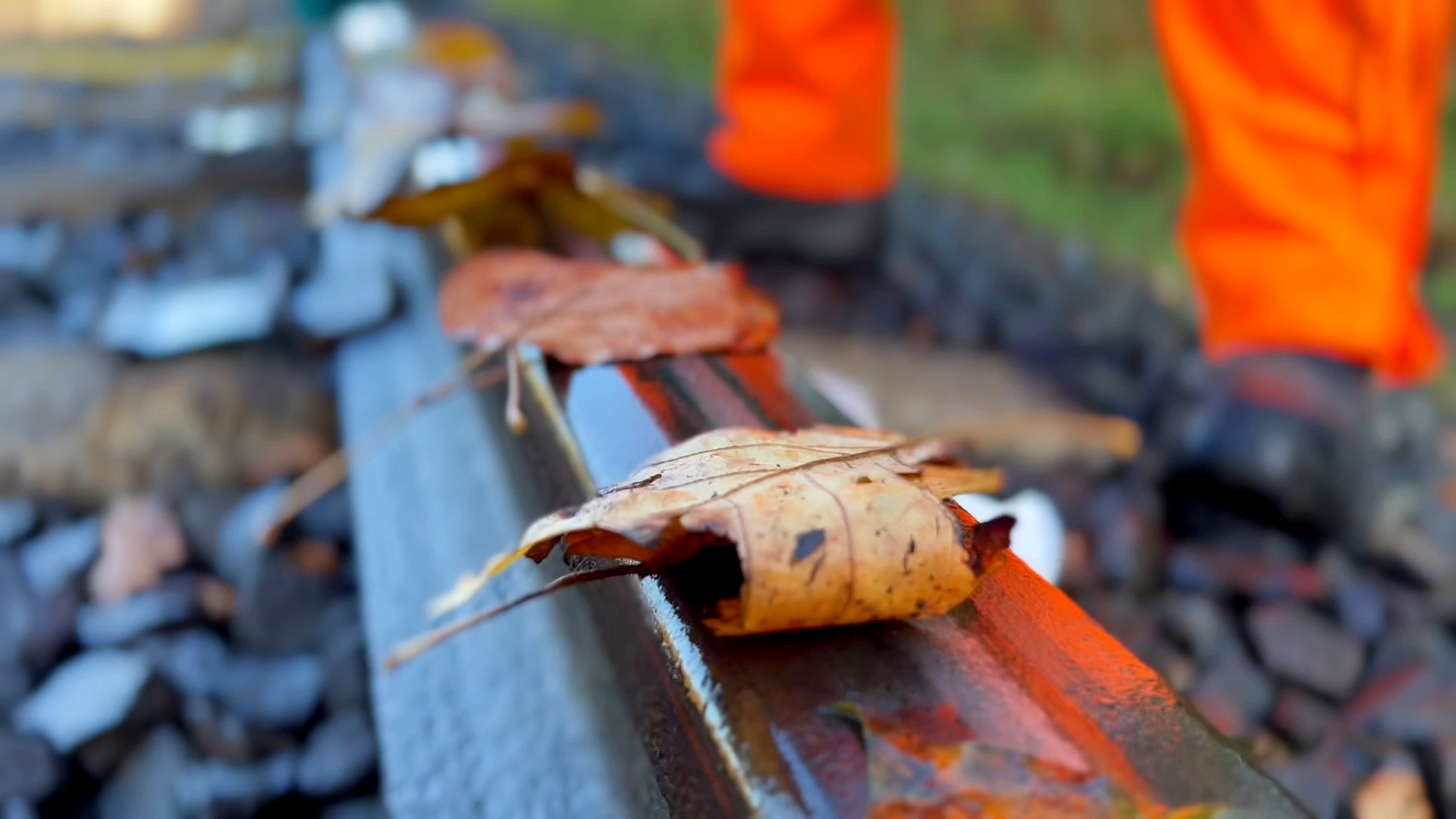
GBR Anglia expects its rail head treatment trains to cover an estimated 100,595 miles of track across East Anglia and parts of London this autumn and winter, Network Rail said on 11 November, with 28,419 miles already completed.
The programme brings together Network Rail, Greater Anglia and c2c, which are working as GBR Anglia alongside other operators in the region to identify weather-related risks and carry out preventative maintenance before the colder months, according to the release.
Rail head treatment trains (RHTTs) use high-pressure water jets to clear leaf residue from the rails. Network Rail said they will run from early autumn into winter and form the core of the programme.
Martin Beable, Chief Operating Officer at GBR Anglia, said: "Autumn and winter can bring some of the toughest conditions for the railway, from slippery rails and flooding to fallen trees and high winds."
Why leaves matter
Network Rail's national explainer on autumn delays says the heat and weight of train wheels compress wet leaves into a thin, slippery layer on the rail. Leaves can also interfere with the electrical systems used to detect where trains are on the network, it says.
The same explainer refers to a national fleet of 67 leaf-busting trains, which remove compressed leaf material with water jets and can also apply a gel containing sand and steel grains. Network Rail does not say how many of those trains are allocated to Anglia.
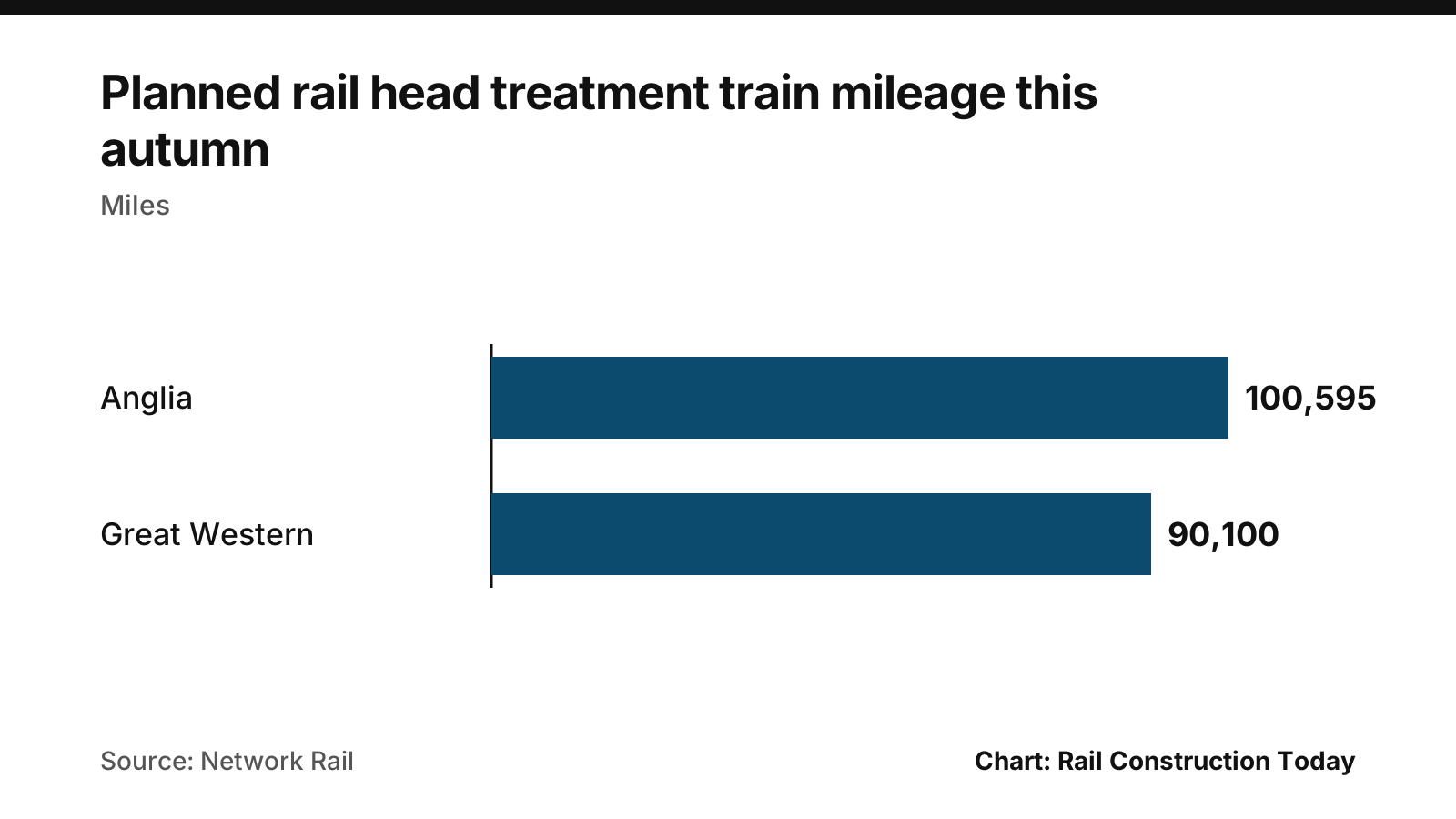
For comparison, Network Rail said on 29 October that four RHTTs on the Great Western route would cover around 90,100 miles this autumn.
| Route | Planned RHTT mileage this autumn |
|---|---|
| Anglia | 100,595 |
| Great Western | 90,100 |
Lineside risks
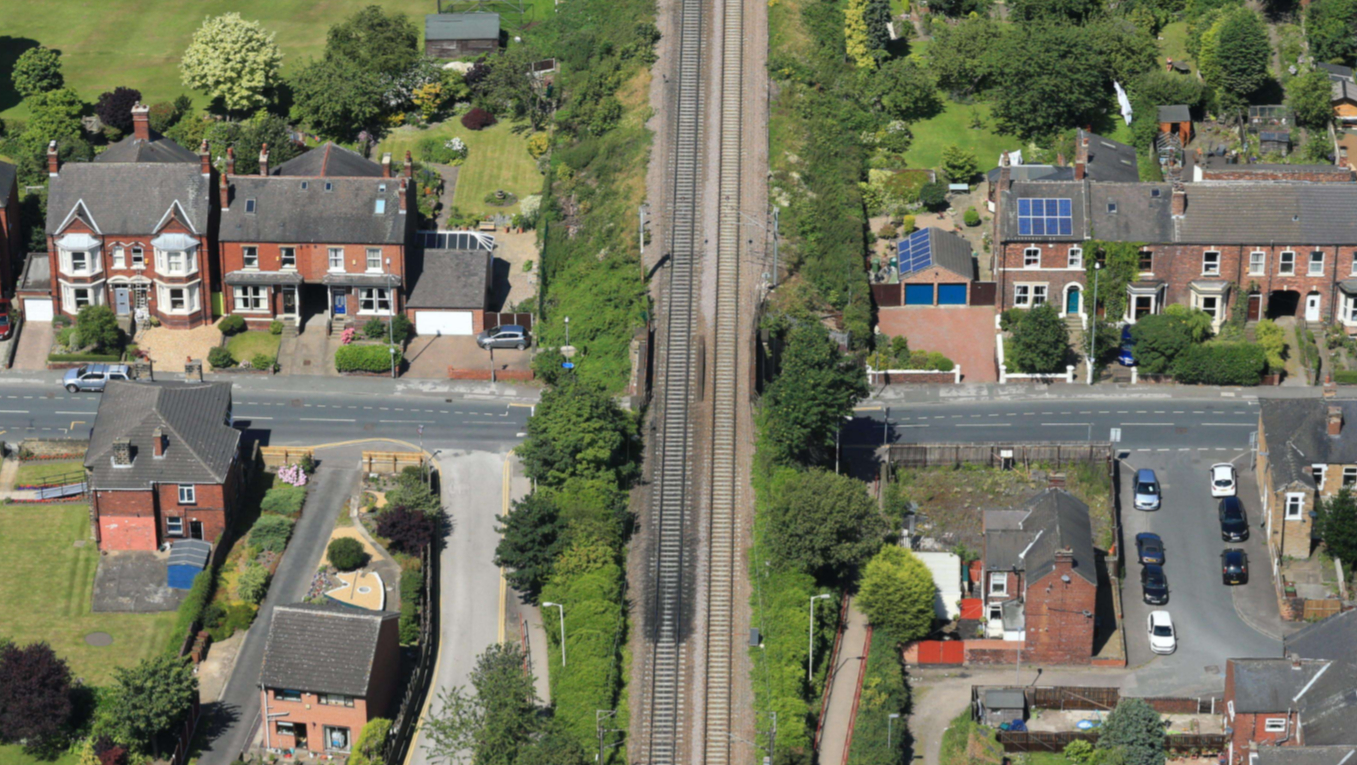
Network Rail said it has used its Drone Arb technology to monitor lineside trees and, in doing so, identified homes with trampolines in their gardens. It has written to those neighbours asking them to secure the trampolines, which it said have been blown onto the railway in the past.
It has also written to neighbours and supply chain partners working near the line asking them to secure materials such as plastic sheeting ahead of storms and high winds.
Work by area
In Cambridgeshire and Norfolk, GBR Anglia is working with Govia Thameslink Railway (GTR) between Ely and King's Lynn on drainage inspections and maintenance, infrastructure monitoring and vegetation management, following what the release called performance challenges on the Fen Line over the summer.
That follows a Network Rail statement in July 2026 that the peat and clay under long stretches of the Anglia railway had dried out and shrunk after hot, dry weather. Speed restrictions on Great Northern services between Ely and King's Lynn from 3 August meant trains arrived at King's Lynn four minutes later and left four minutes earlier than normal, and Network Rail scheduled late-night track treatment on 10 to 13 August and 21 to 24 September.
Joe Kennedy, Infrastructure Director for Network Rail Anglia, said at the time: "We're taking action to keep running the best possible service despite the significant challenges".
In Suffolk, drainage inspections and vegetation management are under way at vulnerable locations, including flood-prone Stowmarket, where drainage assets are being checked ahead of heavy rain.
In north and east London, Network Rail said vegetation management is taking place at more than 17 locations, with drainage inspections and improvements at flood-prone sites including Gunnersbury.
In Essex, train operators are carrying out enhanced inspections and extra checks on braking, sanding and other safety-critical systems, including on trains serving Southend Victoria and Southminster.
The GBR Anglia structure
c2c said its services transferred into public ownership on 20 July 2025 and are managed by DFTO (DfT Operator Ltd). It described GBR Anglia as bringing together the leadership of c2c, Greater Anglia and Network Rail Anglia under a single, unified structure.
The Department for Transport said that, after Greater Anglia's transfer, publicly owned operators under DFTO were responsible for 33% of all GB passenger rail journeys.
Network Rail owns and operates 20,000 miles of track and 30,000 bridges, tunnels and viaducts across Britain. Its Anglia treatment trains had completed 28,419 of the planned 100,595 miles when the programme was announced on 11 November.
On the record: Department for Transport
Sources
- Network Rail (opens in a new tab) (accessed 2026-11-11)
- Network Rail (opens in a new tab) (accessed 2026-11-11)
- c2c (opens in a new tab) (accessed 2026-11-11)
- Department for Transport (opens in a new tab) (accessed 2026-11-11)
- Network Rail (opens in a new tab) (accessed 2026-11-11)
- Network Rail (opens in a new tab) (accessed 2026-11-11)
This story was researched from the primary sources above and checked against them before publication. Spotted an error? Tell us and we will correct it promptly.