enhancements
Leeds to York line reopens after nine-day Common Lane bridge and wiring blockade
Network Rail says Transpennine Route Upgrade engineers installed the new Common Lane bridge at Church Fenton and finished fitting overhead line equipment during a nine-day closure, reopening the railway on time despite Storm Boelo.
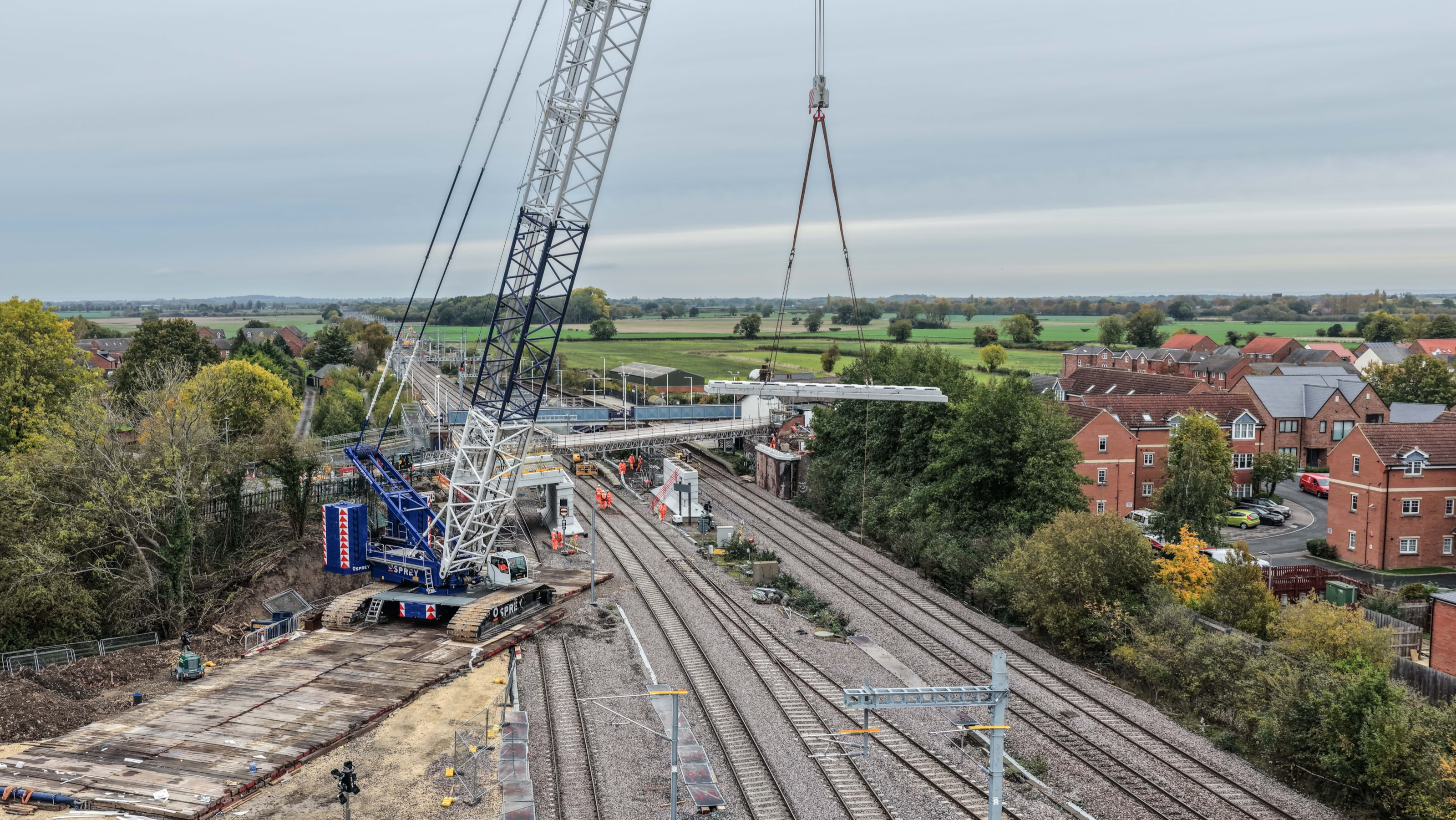
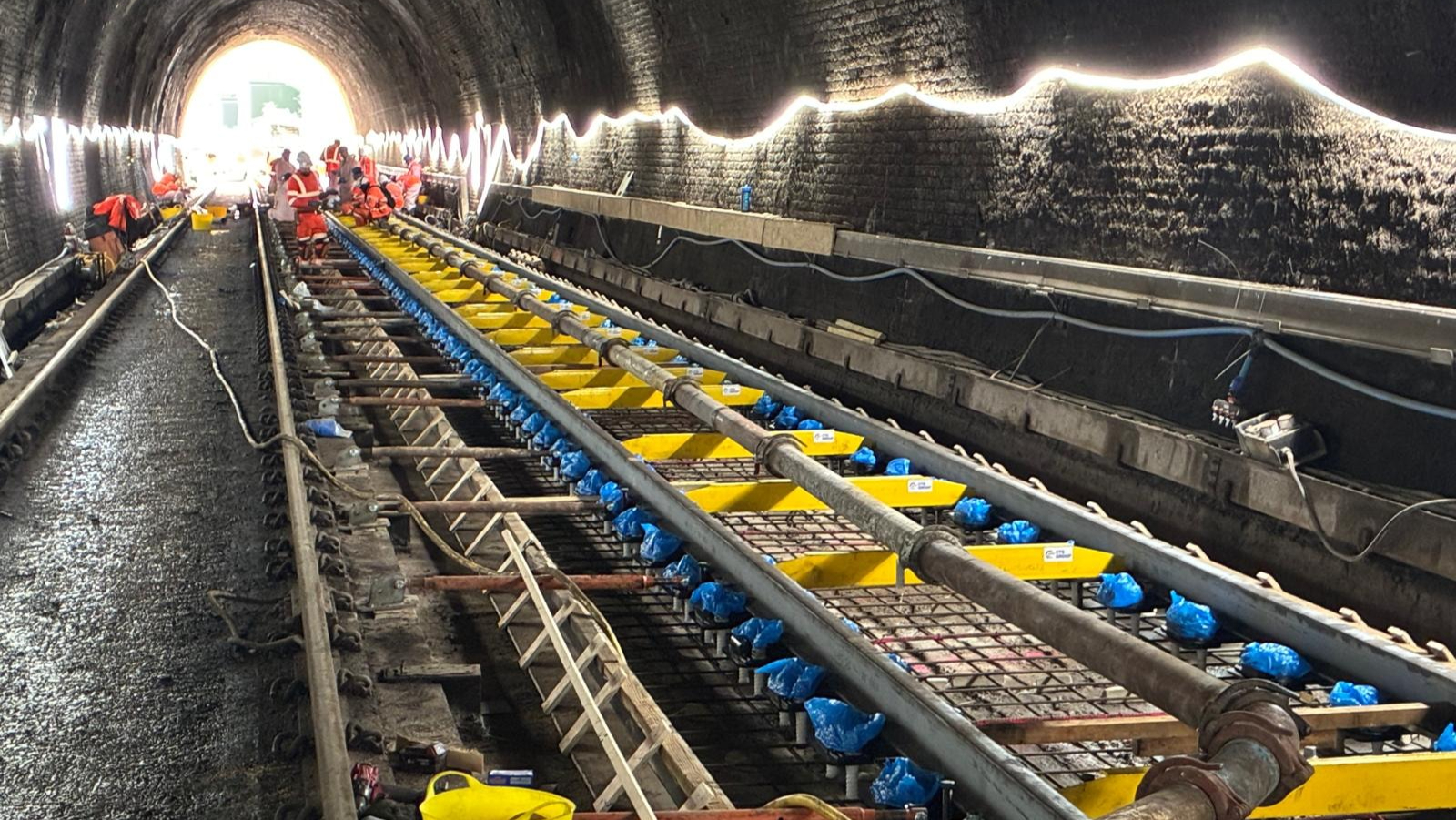
Network Rail has reopened the railway between Leeds and York on time after a nine-day closure in which Transpennine Route Upgrade (TRU) engineers installed the new Common Lane bridge at Church Fenton and finished fitting overhead power lines.
The closure ran from Saturday 24 October to Sunday 1 November, with engineers working around the clock, Network Rail said in a statement on 2 November. It was the third and final stage of a phased replacement of the road bridge in North Yorkshire.
Work was paused for safety at the height of Storm Boelo, with activities rescheduled in advance so the programme stayed on target, according to Network Rail.
Adam Sellers, TRU senior sponsor, said: "We've completed this major work at Church Fenton safely and on time, bringing us a step closer to more frequent, faster, greener trains between York, Huddersfield, Leeds and Manchester."
Why the bridge was replaced
Network Rail described the structure as life-expired. Its release said the previous bridge was built in 1901 and was reaching the end of its lifespan, while TRU's project page says routine inspections confirmed it was nearing the end of its asset life.
The old bridge was also too low to take overhead line equipment for electrification, TRU said. Network Rail brought the replacement forward by a year so it could be combined with preparation for the wiring, which it said would minimise further disruption to the local community.
Sellers said in October: "The reconstruction of Common Lane bridge means we'll be able to fit overhead line equipment underneath".
How the work was staged
Network Rail set out the three phases on 9 October. Over the weekend of 10-11 October, the existing metal deck was removed and the brick arch section of the old bridge demolished, according to TRU's project page. On 17-18 October, trains between York and Leeds were diverted via Castleford. The nine-day blockade followed from 24 October to 1 November, with a direct rail replacement bus between the two cities.
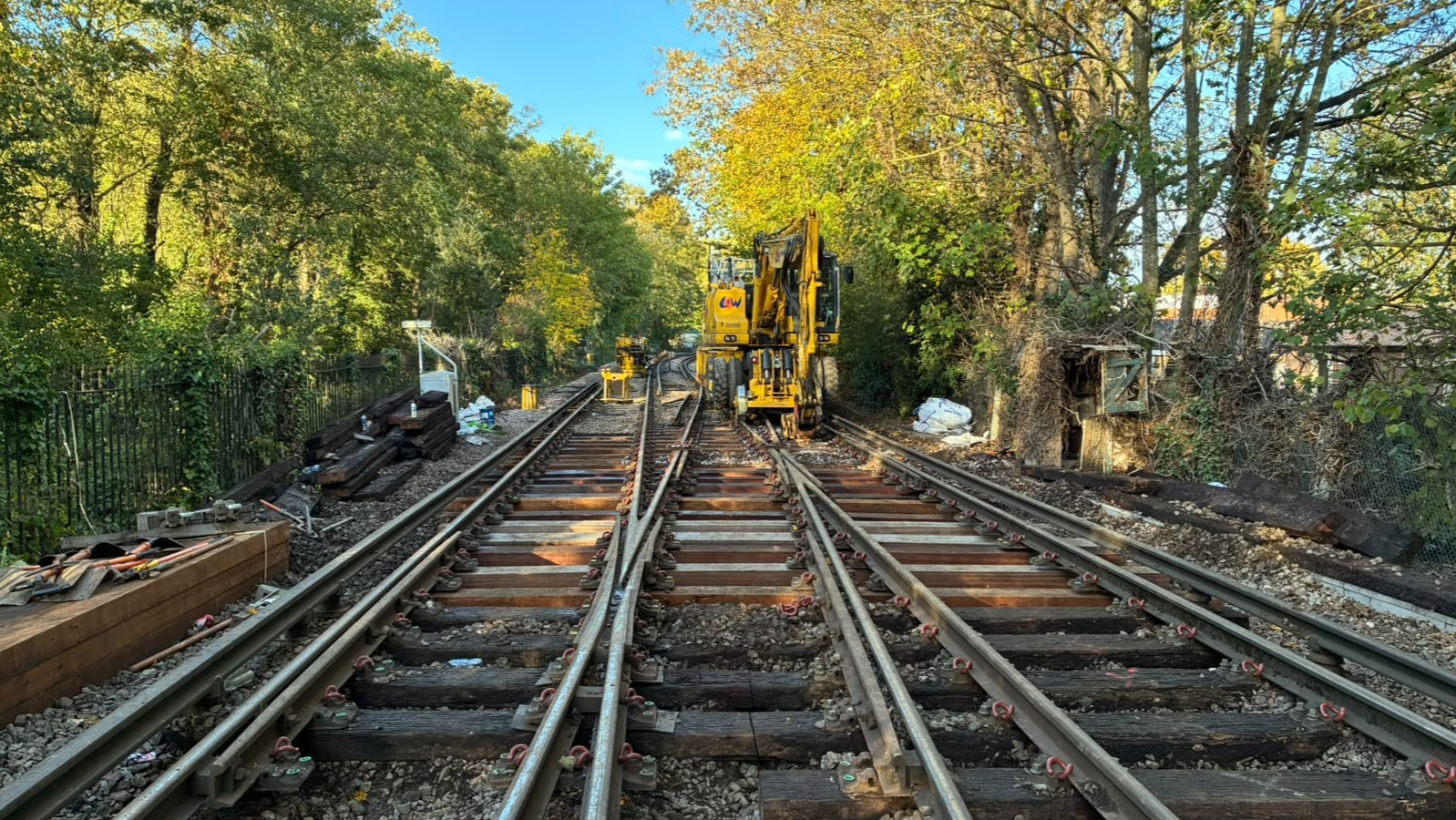
In its 2 November statement, Network Rail said it had also carried out work on the East Coast Main Line in North Yorkshire over the past two weekends, including renewing track and points, upgrading overhead line equipment and drainage, managing vegetation and improving platform infrastructure.
The road
Common Lane over the railway has been closed to traffic since 13 July 2026, and TRU's project page says the closure runs until 4 June 2027. Network Rail says the road will be restored and reopened in June 2027. Vehicles are diverted via Sherburn-in-Elmet to the south.
Work has now started to relocate diverted utility services within the new structure before the road is restored, Network Rail said.
Wider TRU work at Church Fenton
Network Rail says the number of tracks at Church Fenton is being increased from two to three, and it is proposing to replace three private railway crossings in the area with a new highway bridge and road. Earlier work included realigning platforms 3 and 4 at the station during a 32-day closure, according to Network Rail's December 2025 review of the programme.
That review put TRU's value at £10.7bn. The Department for Transport (DfT) described it in August 2025 as an £11 billion programme.
Electrification timetable
Network Rail says 25% of the 70-mile route is now electrified, with electric services running between Manchester and Stalybridge and between York and Church Fenton. In August 2025 it said 40% would be wired by summer 2027 and full-route electrification is targeted for early 2030.
There are 70 worksites along the route. TRU has more than 5,000 staff, 85% of them from within 40 miles of the line, and Network Rail says the programme will have created more than 8,000 jobs over its duration. The DfT said in August 2025 that TRU was set to create over 5,000 jobs.
The programme will fully electrify the line, double the tracks in key locations, introduce digital signalling and improve all 23 stations, according to Network Rail. It is also opening 15 extra freight paths and widening tunnels for shipping containers, which Network Rail says will remove more than 1,000 lorries a day from Pennine roads.
The DfT says TRU will cut York to Manchester journey times by 10 minutes and aims to save 108,000 tonnes of carbon emissions a year.
Network Rail says Common Lane will be restored and reopened to road traffic in June 2027.
On the record: Department for Transport
Sources
- Network Rail (opens in a new tab) (accessed 2026-11-03)
- Network Rail (opens in a new tab) (accessed 2026-11-03)
- Network Rail (opens in a new tab) (accessed 2026-11-03)
- Transpennine Route Upgrade (opens in a new tab) (accessed 2026-11-03)
- Network Rail (opens in a new tab) (accessed 2026-11-03)
- Department for Transport (opens in a new tab) (accessed 2026-11-03)
- Network Rail (opens in a new tab) (accessed 2026-11-03)
- Network Rail (opens in a new tab) (accessed 2026-11-03)
This story was researched from the primary sources above and checked against them before publication. Spotted an error? Tell us and we will correct it promptly.