renewals
Network Rail's New Measurement Train passes two million miles ahead of storm season
Network Rail says its yellow track inspection train has now covered more than two million miles since 2003, as the industry prepares for an autumn and winter it expects to be stormier than usual because of El Niño.
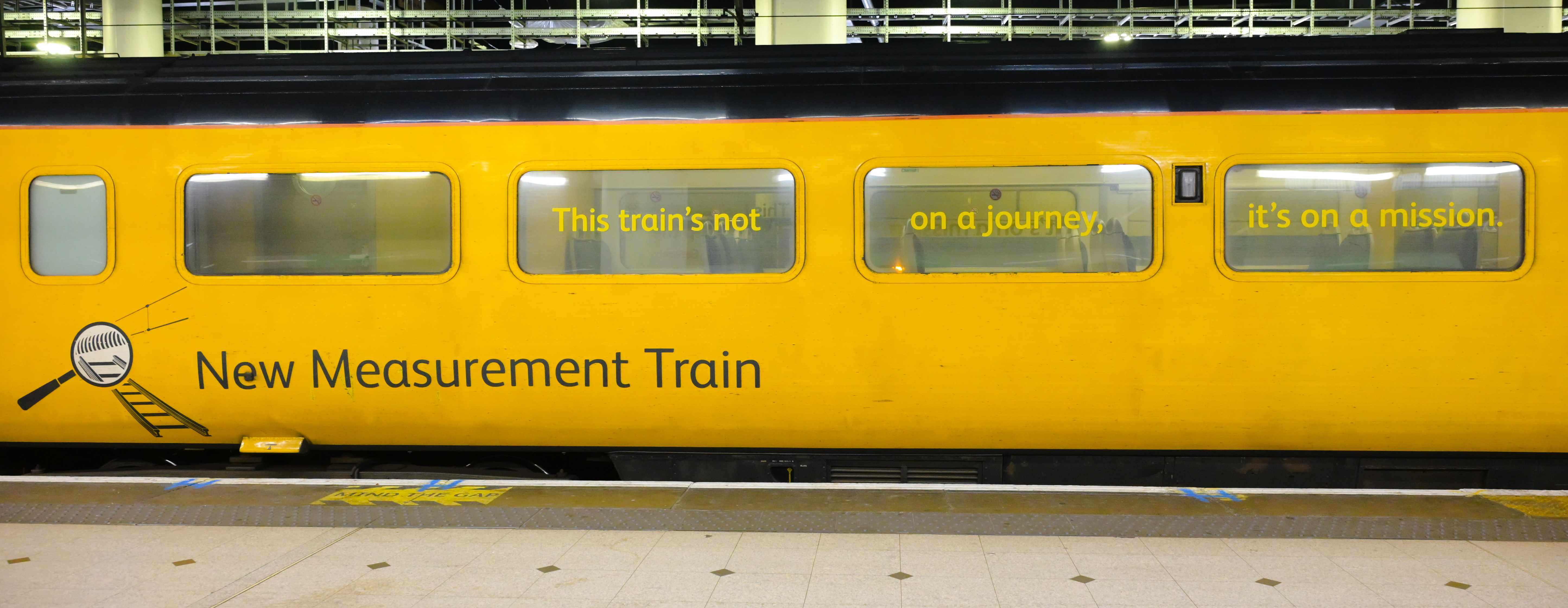
Network Rail's New Measurement Train has covered more than two million miles since it entered service in 2003, the infrastructure owner said on 12 November 2026, as the railway prepares for an autumn and winter expected to bring more storms than normal.
The train, known as the Flying Banana because of its yellow livery, scans the track at speeds of up to 125mph to pick up developing faults before they become safety or performance problems, Network Rail said. It carries lasers, cameras and real-time image analysis that give engineers what the company described as a high-speed health check of the railway.
Lisa Angus, Network Rail's Industry Weather Response Director, said: "The NMT is a brilliant example of how technology helps us understand what is happening on the railway."
Network Rail said forecasters are predicting a greater number of storms than normal will hit Britain this autumn and winter because of El Niño's effect on global weather patterns. The Met Office said on 21 August 2026 that it expects El Niño to increase the chances of wetter, stormier conditions for the UK in autumn and early winter.
The train's workload
Network Rail's fleet page gives a picture of what the two million mile total represents. The train covers 115,000 miles in a year, surveys 4,800 miles of track every two weeks and runs shifts of up to 1,000 miles at a time. It carries 14 sensors and captures around 10TB of image data every 440 miles.
Among the defects it can identify are missing Pandrol clips, which secure rails to sleepers, and cyclic top, where a dip in the rail surface causes a wheel to bounce. The train also checks coverage for the GSM-R railway radio communication system. Network Rail's Route Services team operates it.
The NMT is a converted Intercity High Speed Train fitted with measurement systems, track scanners and high-resolution cameras, according to Network Rail. In January 2020 the company announced it had awarded a maintenance contract for the train to Loram UK following a competitive tender in 2019.
Wider seasonal preparations
Angus said the train is one part of a larger seasonal effort. "From leaf-busting trains and drainage work to weather monitoring and better forecasting, we are using data, technology and the expertise of our people," she said.
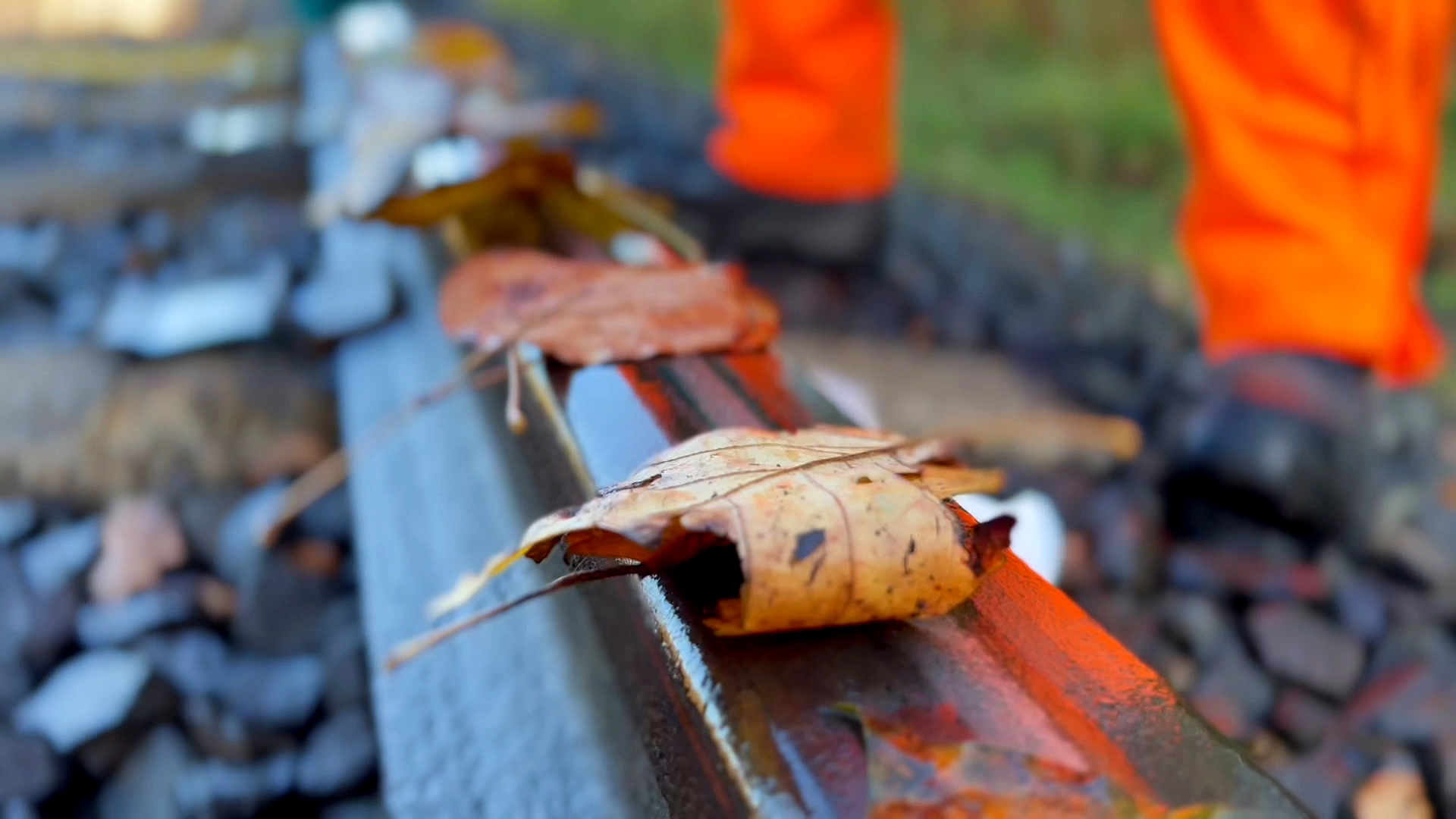
Network Rail said its fleet of 67 leaf-busting trains, also known as railhead treatment trains, will travel more than one million miles across the network this autumn. In November 2025 the company said the fleet delivers 200 million litres of high-pressure water every autumn and applies a gritty paste called sandite to improve grip. Leaves crushed under train wheels form a slippery black layer on the rail that reduces friction between wheel and track.
There are about 13 million trees on or next to railway land, Network Rail said. Its teams have been managing vegetation and monitoring sites vulnerable to flooding or landslips, and control rooms have introduced seasonal timetables where necessary.
Resilience spending
The 12 November release said the rail industry is investing £2.6 billion between 2024 and 2029 to improve weather and climate resilience. When Network Rail launched its five-year Control Period 7 plan on 3 April 2024, worth £45.4bn in cash prices, it said it would invest around £2.8bn over the five years to 2029 on climate and weather resilience. The two releases give different figures and Network Rail has not reconciled them in the published material.
At the 2024 launch, Andrew Haines, Network Rail chief executive, said climate change is the biggest challenge the railway faces.
Network Rail owns and operates 20,000 miles of track and 30,000 bridges, tunnels and viaducts. Control Period 7 runs from 1 April 2024 to 31 March 2029.
On the record: Met Office
Sources
- Network Rail (opens in a new tab) (accessed 2026-11-12)
- Network Rail (opens in a new tab) (accessed 2026-11-12)
- Network Rail (opens in a new tab) (accessed 2026-11-12)
- Network Rail (opens in a new tab) (accessed 2026-11-12)
- Network Rail (opens in a new tab) (accessed 2026-11-12)
- Met Office (opens in a new tab) (accessed 2026-11-12)
This story was researched from the primary sources above and checked against them before publication. Spotted an error? Tell us and we will correct it promptly.