suppliers
Transpennine Route Upgrade passes £1bn of spending with local firms and SMEs
Network Rail says the Transpennine Route Upgrade has now spent more than £1bn with businesses near the route and SMEs, against commitments of at least 25% local and 33% SME supply-chain spend.
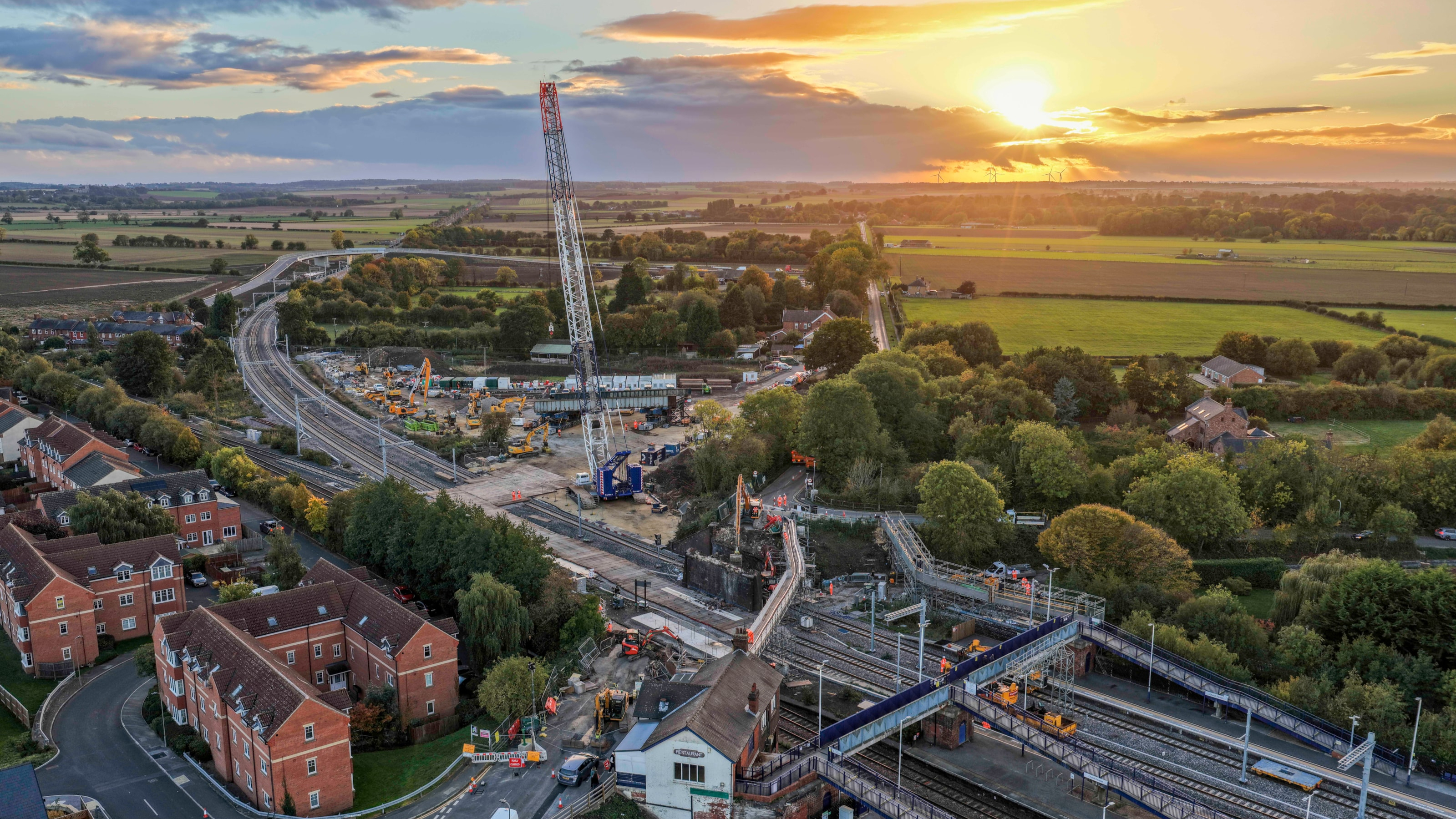
Network Rail said on 18 November 2026 that the Transpennine Route Upgrade (TRU) has spent more than £1bn with local businesses and small and medium-sized enterprises since the programme began.
The figure, published by Network Rail's Eastern region, is set against commitments under TRU's Northern Jobs approach to direct at least 25% of project supply-chain spending to businesses within 25 miles of the route, and separately to put at least 33% of partners' project supply-chain spending with SMEs.
Anna Humphries, TRU Head of Sustainability and Social Value, said: "Surpassing £1 billion spent locally is a significant milestone and demonstrates the progress we are making against our social value commitments and in driving economic growth across the North."
The COWAP example
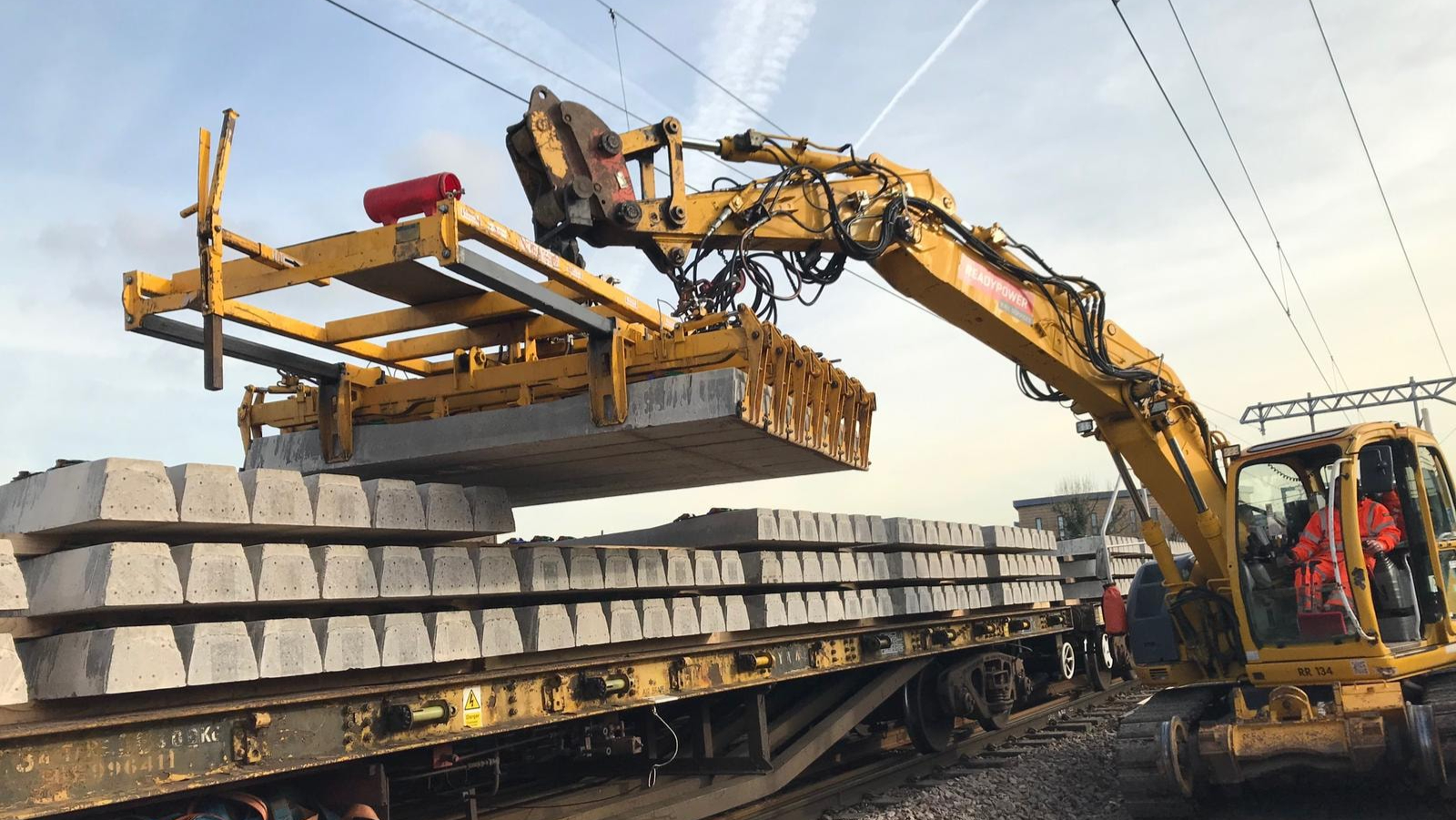
Network Rail put forward COWAP, which it described as having teams in Manchester and Yorkshire, as an example of the approach. The company has fabricated and installed overhead line equipment, boundary fencing and other infrastructure for TRU, most recently on Huddersfield viaduct.
Between 2020 and 2025, COWAP's TRU-related revenues rose by 50%, according to Network Rail, supporting investment in a site in West Yorkshire, specialist workshop machinery, plant and heavy goods vehicles.
Kevin Cowap, Commercial & Operations Director at COWAP, said: "Our work has supported investment in our people, facilities and equipment, including our new site in Dewsbury."
COWAP's own website says the firm was established in 2000, is based in Greater Manchester and operates nationwide, fabricating customer designs in a 10,000 sq ft workshop in Manchester. Its listed services include cantilever, gantry and mast installations.
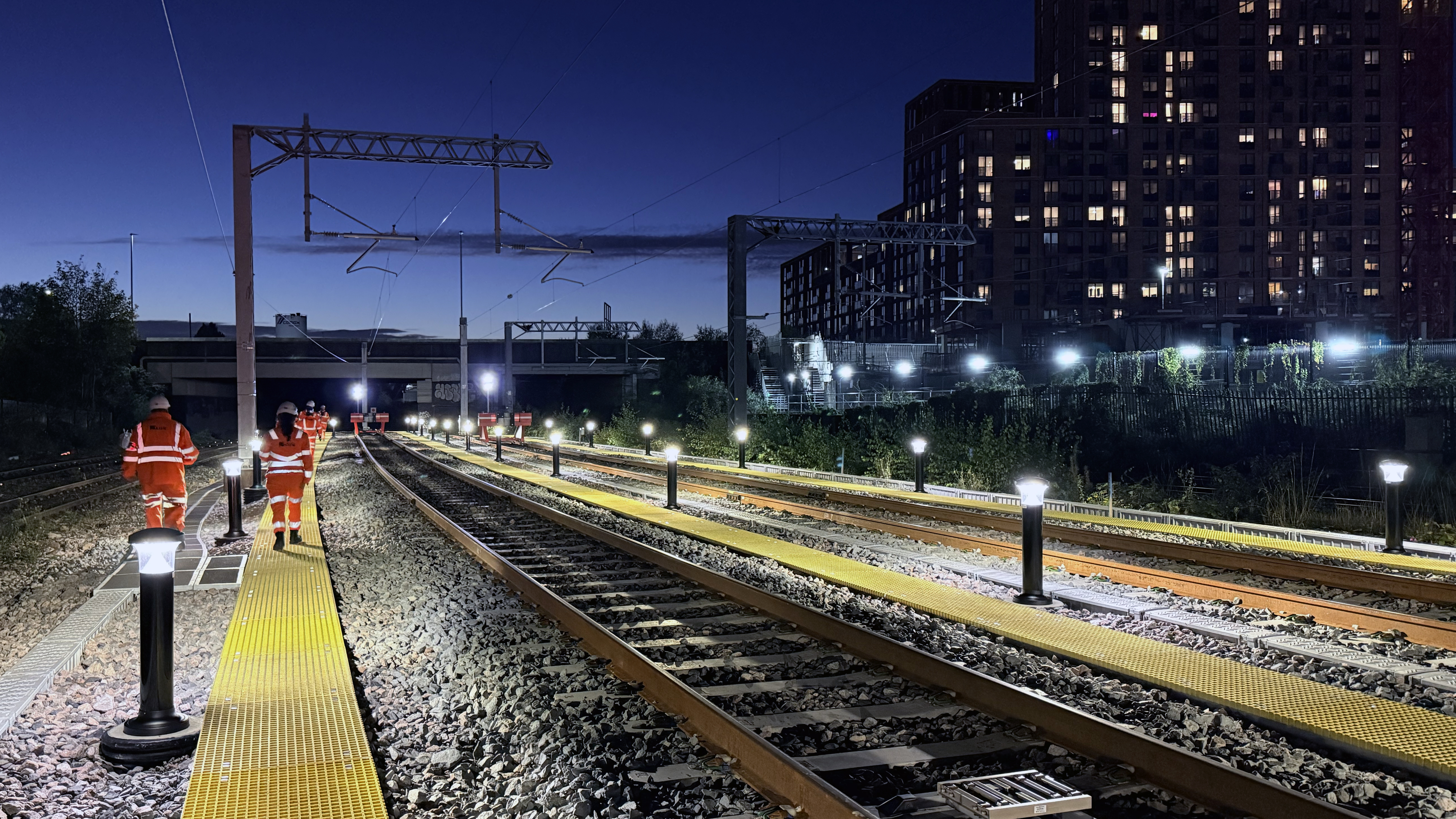
In Huddersfield, a 16-day block of TRU works completed in October 2026 included installing more than 50 overhead line equipment masts and over 50 steel structures for future electrification, Network Rail said.
Mark Casci, Head of Policy and Representation for West & North Yorkshire Chamber of Commerce, said keeping investment in the North creates opportunities for local businesses, supports jobs and skills, and helps firms invest and grow.
Earlier progress markers
TRU's first Sustainable Development Report, published in December 2024, said 66% of spend outside the TRU framework was going to local suppliers within 25 miles of the route. That figure measures a different base from the cumulative £1bn total, which Network Rail did not break down between local businesses and SMEs.
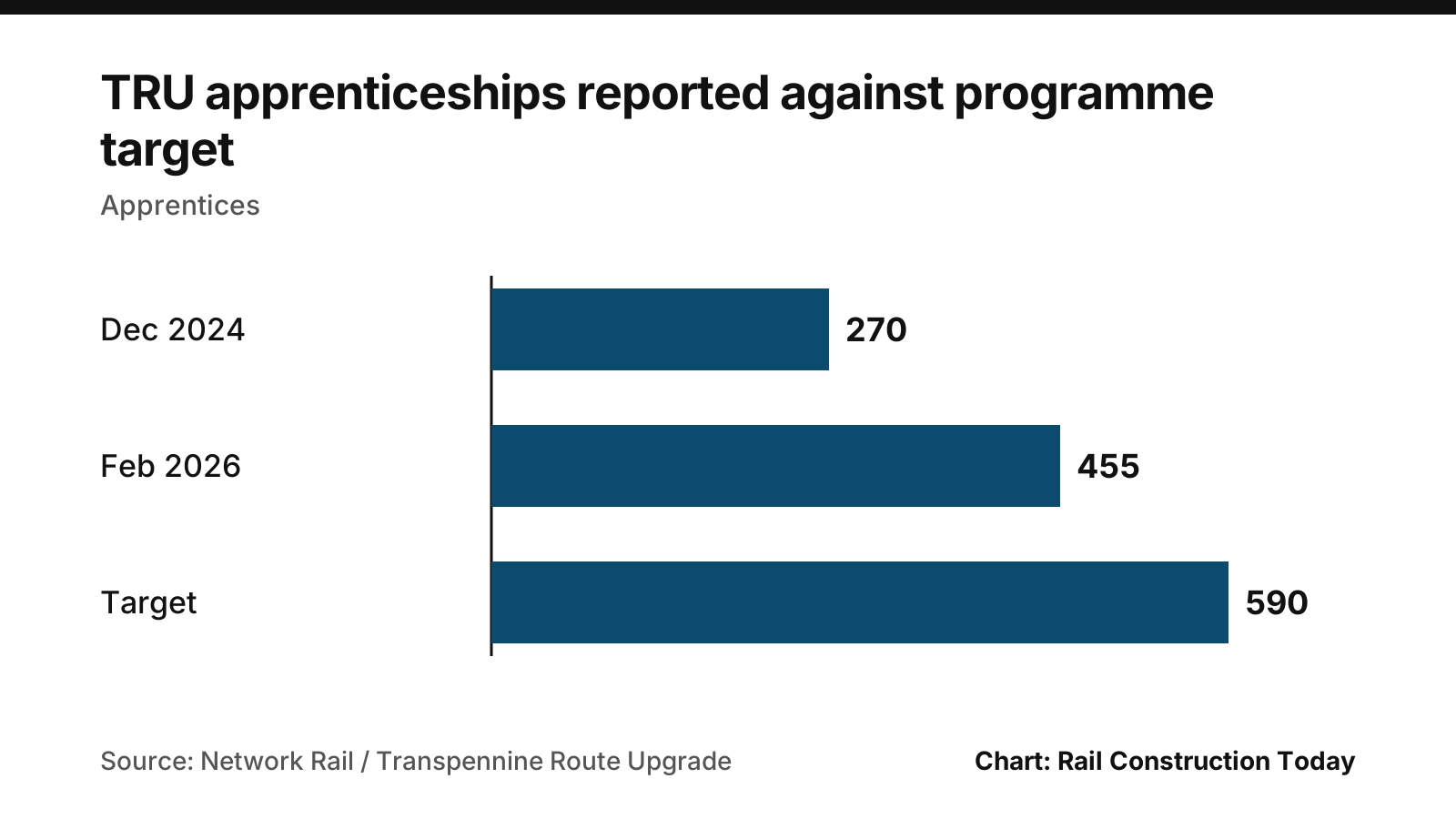
On employment, Network Rail said the programme's ambitions include supporting up to 8,000 roles over the project lifetime, creating 590 apprenticeships and drawing most of its workforce from communities close to the route. The Guiding Compass strategy targets 60% of the workforce from within 25 miles and 80% from within 40 miles; Network Rail said TRU now has more than 5,000 staff, 85% of them from within 40 miles.
Apprenticeship numbers have been reported at intervals against the 590 target.
| Reported | Apprenticeships |
|---|---|
| December 2024 | 270 |
| February 2026 | 455 |
| Programme target | 590 |
Of the 455 reported in February 2026, Network Rail said 307 were classed as New Starts, meaning the TRU role was the person's first career job.
The programme
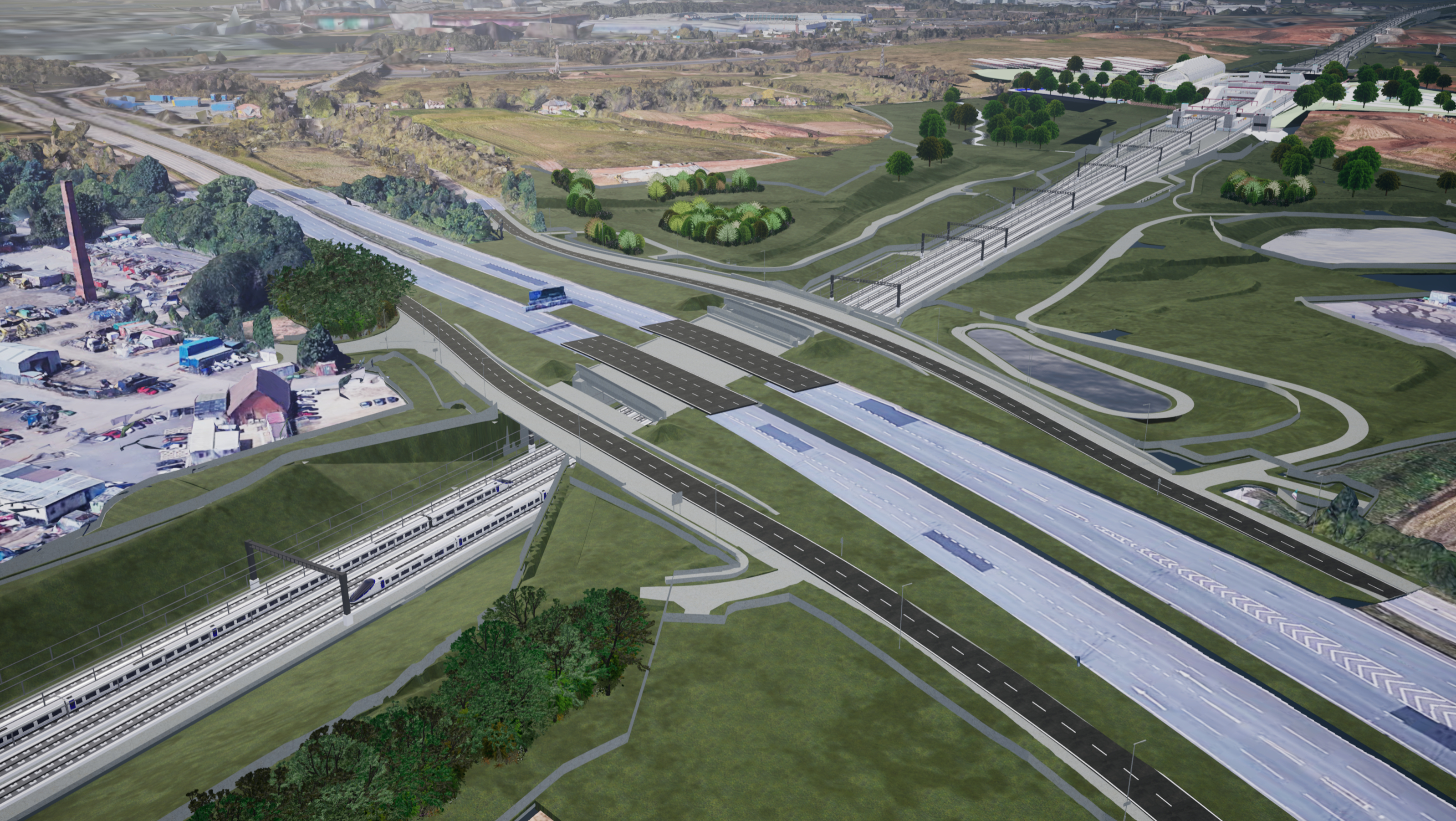
The Department for Transport (DfT) announced a £3.9bn funding boost for TRU on 4 December 2023, putting the programme's overall cost at up to £11.5bn. DfT said the upgrade would cut journey times between Manchester and York by 10 minutes.
Network Rail said 25% of the route is now electrified, with electric services running between Manchester and Stalybridge and between York and Church Fenton, and that there are currently 70 worksites across the 70-mile route.
The full programme will electrify the line, double the tracks in key locations, introduce digital signalling and improve all 23 stations on the route. It will also open 15 extra freight paths and widen tunnels so containers can move between east and west coast ports by rail, which Network Rail said would remove more than 1,000 lorries a day from Pennine roads.
Milestones to date include new stations at Mirfield and Morley, a £100m upgrade of diversionary routes and completion of the Hope Valley line upgrade, with a second platform at Dore & Totley and 1km of additional track at Bamford.
On the record: Department for Transport
Sources
- Network Rail (opens in a new tab) (accessed 2026-11-18)
- Transpennine Route Upgrade (Network Rail) (opens in a new tab) (accessed 2026-11-18)
- Transpennine Route Upgrade (Network Rail) (opens in a new tab) (accessed 2026-11-18)
- COWAP (opens in a new tab) (accessed 2026-11-18)
- Department for Transport (GOV.UK) (opens in a new tab) (accessed 2026-11-18)
- Network Rail (opens in a new tab) (accessed 2026-11-18)
- Network Rail (opens in a new tab) (accessed 2026-11-18)
This story was researched from the primary sources above and checked against them before publication. Spotted an error? Tell us and we will correct it promptly.